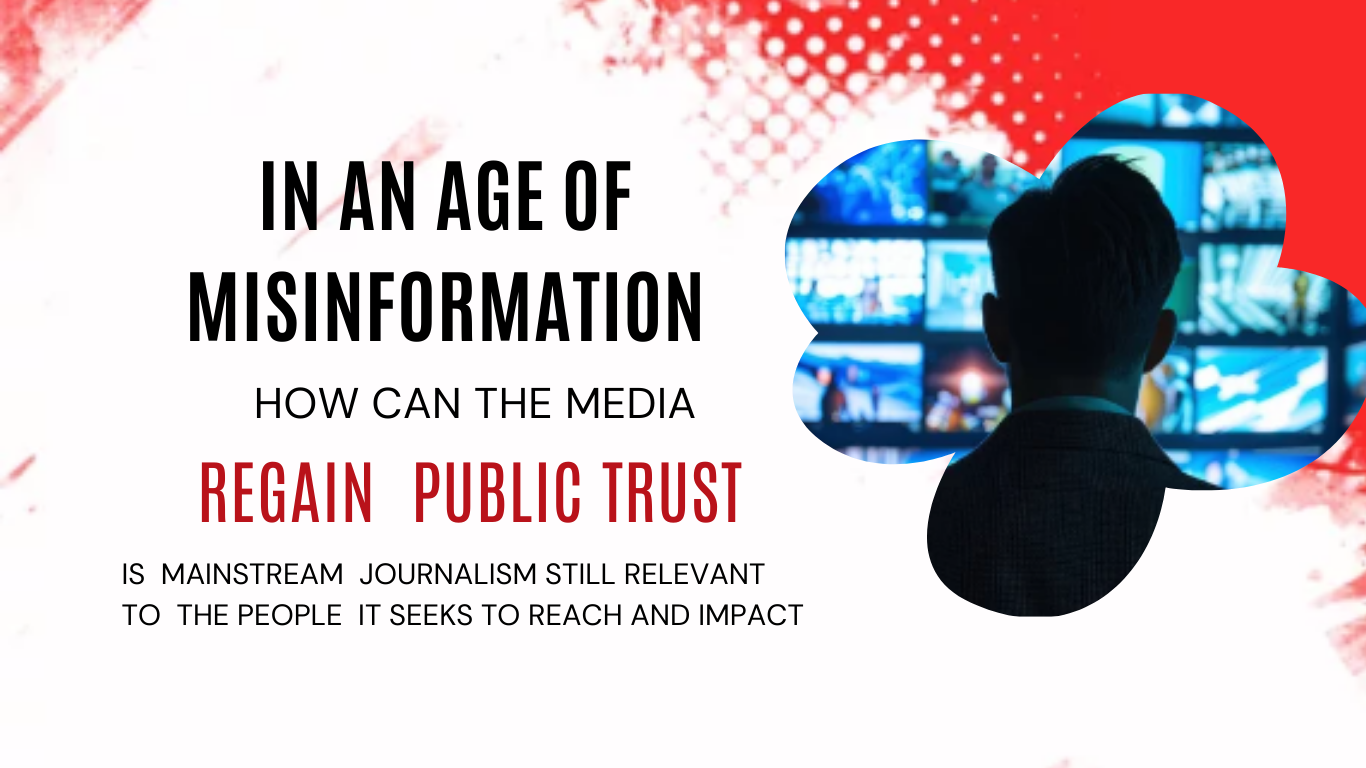



Journalism in Africa stands at a critical crossroads. While the media has long been a powerful force for change, democracy, and accountability, it now faces unprecedented challenges. From government censorship and political interference to misinformation and financial struggles, the landscape of African journalism is shifting. The future of a free, independent, and responsible press hangs in the balance, raising urgent questions: Will journalism in Africa uphold truth and integrity, or will it become a tool for propaganda and manipulation?
The Challenges Facing Journalism in Africa
1. Government Censorship and Press Freedom Restrictions
Many African governments continue to impose restrictions on press freedom, using laws, regulations, and direct intimidation to control narratives. Journalists are arrested, media houses shut down, and independent voices silenced under the guise of national security or public interest. Countries like Ethiopia, Nigeria, and Zimbabwe have witnessed crackdowns on the press, making investigative journalism a dangerous profession.
2. The Rise of Misinformation and Fake News
The digital revolution has made information more accessible, but it has also opened the floodgates for misinformation. Fake news spreads rapidly across social media platforms, often drowning out credible journalism. Political actors, activists, and even governments manipulate narratives, leaving citizens struggling to distinguish fact from fiction.
3. Financial Struggles and Media Sustainability
Traditional media outlets, including newspapers and broadcast stations, face economic hardship due to declining advertising revenue and the shift to digital platforms. Many journalists work under poor conditions, leading to unethical practices such as "brown envelope journalism," where reporters accept bribes to influence coverage.
4. Political and Corporate Influence on Media
Many African media houses are owned or influenced by politicians, business moguls, or foreign entities with vested interests. This often results in biased reporting, where certain topics are suppressed, and journalism serves as a mouthpiece for powerful figures rather than as an objective watchdog.
5. The Struggle for Ethical Journalism
The media is often caught between sensationalism for profit and the responsibility to provide accurate, balanced reporting. The pressure to attract clicks and views sometimes leads to exaggerated headlines, unverified stories, and biased reporting that undermines journalistic credibility.
The Way Forward: Restoring Integrity in African Journalism
1. Strengthening Independent and Ethical Journalism
Media organizations must prioritize integrity and factual reporting. Journalists need continuous training in ethical reporting, investigative techniques, and fact-checking to ensure the public receives unbiased and well-researched information.
2. Promoting Press Freedom and Legal Protections
Governments must recognize that a free press is vital for democracy and national progress. Legal frameworks that protect journalists from harassment, intimidation, and violence should be strengthened and enforced.
3. Combating Misinformation Through Media Literacy
Educating the public on how to identify fake news, verify sources, and engage critically with media content is essential. Media literacy campaigns should be integrated into educational systems to create a more informed society.
4. Encouraging Financial Independence for Media Outlets
Diversified revenue models, including crowdfunding, subscription-based journalism, and public interest funding, can help independent media sustain themselves without reliance on politically influenced advertisers.
5. Leveraging Digital Platforms for Independent Reporting
The internet provides an opportunity for independent voices to thrive. By creating digital news platforms, African journalists can bypass government-controlled media spaces and reach audiences directly with fact-based reporting.
Conclusion
Journalism in Africa is at a defining moment. The path it takes will determine whether the media remains a pillar of truth and democracy or becomes a tool for manipulation and misinformation. The responsibility falls on journalists, governments, media organizations, and the public to uphold the principles of a free and independent press.
A new era of Common Sense-driven journalism—rooted in integrity, accountability, and truth—is needed now more than ever. The future of African journalism must be one that serves the people, speaks truth to power, and holds those in authority accountable.
The crossroads is here—will Africa choose the path of truth?