

Democracy—the very system designed to uphold freedom, accountability, and the rule of law—is under attack. Around the world, and particularly in developing regions, democratic institutions are being weakened by corruption, authoritarianism, media manipulation, and public disillusionment. What was once considered the ultimate model of governance is now facing a legitimacy crisis.
We are witnessing a dangerous erosion of democratic values, where power is consolidated in the hands of a few, dissent is silenced, and the will of the people is increasingly ignored. If these trends continue unchecked, democracy as we know it may not survive.
The Warning Signs of Democratic Collapse
1. The Rise of Authoritarianism and Strongman Politics
Many leaders today disregard democratic principles, prioritizing power over governance. Across nations, we see the growing normalization of leaders extending their rule through constitutional amendments, suppressing opposition parties, and using law enforcement agencies as tools of political oppression. Elections are often rigged or manipulated to maintain the status quo, leaving citizens with no real choice.
2. The Weaponization of the Media
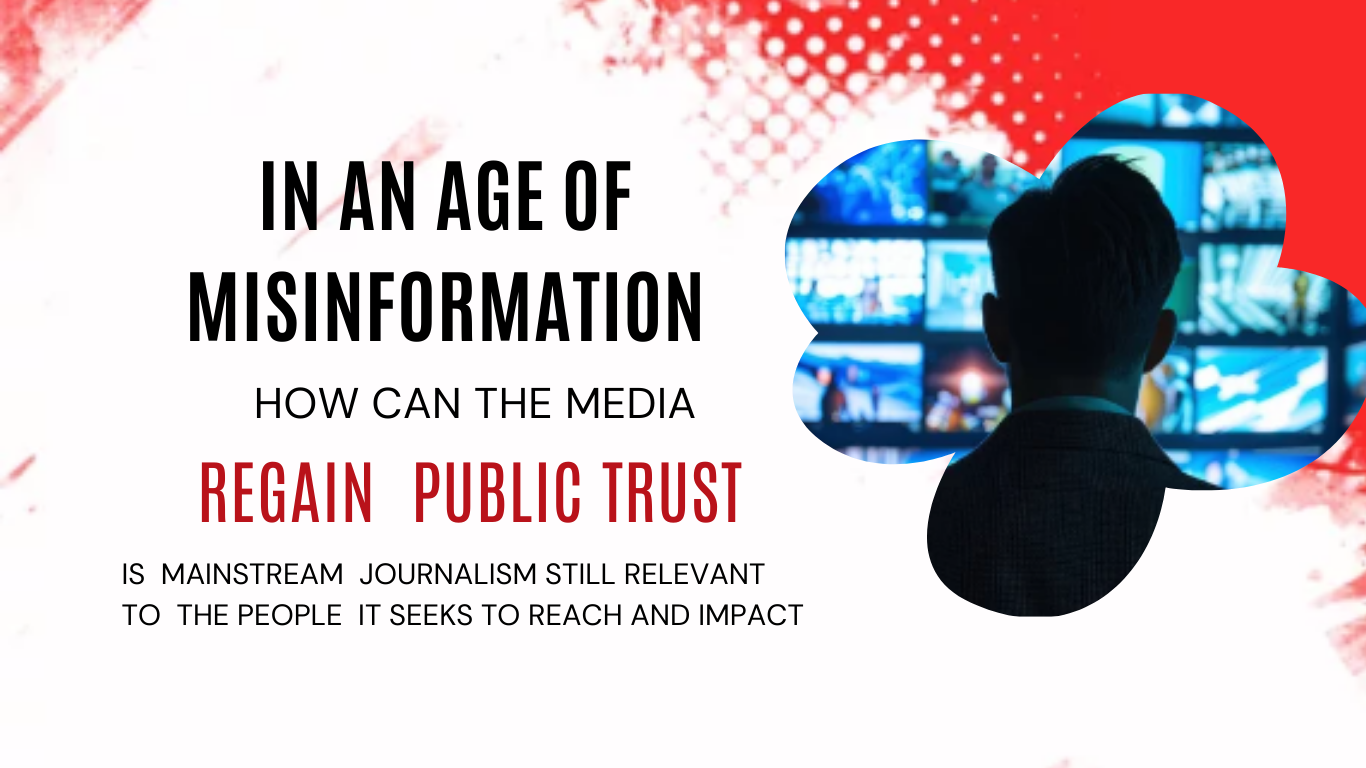
A free and independent press is a pillar of democracy, yet it is being systematically weakened. Governments and corporations now control large segments of the media, influencing narratives, suppressing dissent, and spreading propaganda. Meanwhile, the explosion of misinformation and biased reporting has created an environment where truth is no longer objective, but a matter of perspective. Without credible journalism, the public remains uninformed or misinformed, making it easier for those in power to act without accountability.
3. Erosion of Free Speech and Civil Liberties
In many democracies, free speech is under siege. Governments pass restrictive laws under the guise of "national security" or "public order," criminalizing dissent and jailing activists, journalists, and political opponents. Citizens who criticize their governments risk harassment, imprisonment, or even death. When fear replaces freedom, democracy is already compromised.
4. Corruption and the Loss of Public Trust
Democratic institutions are only as strong as the trust people place in them. However, rampant corruption—both in developing and developed nations—has eroded confidence in governance. When elected officials use public resources for personal gain, ignore accountability, and shield themselves from prosecution, people begin to lose faith in democracy. This frustration often leads to apathy, voter suppression, or even a desire for authoritarian rule, where people prefer "order" over flawed democratic governance.
5. Manipulation of the Electoral Process
Elections are meant to reflect the will of the people, yet many democratic governments have turned elections into mere formalities. Voter suppression, rigged ballots, intimidation tactics, and biased election commissions make it nearly impossible for real political change to occur. When the people’s votes no longer determine their leaders, democracy ceases to function.
6. The Polarization of Society
Instead of fostering dialogue, today’s political landscape is deeply divided along ideological lines. Social media, identity politics, and mainstream media have intensified divisions, making compromise nearly impossible. When political opponents become enemies rather than fellow citizens, democracy suffers. The inability to find common ground results in legislative gridlock, protests, violence, and eventually, the disintegration of democratic institutions.
Can Democracy Be Saved?
1. Restoring Independent and Ethical Journalism
A well-informed public is a powerful defense against tyranny. We must support independent news platforms that prioritize truth over propaganda. A free press must be protected, and misinformation must be actively combated to ensure that citizens have access to factual information.
2. Strengthening Democratic Institutions
Laws and policies that protect democracy must be enforced, including independent judiciary systems, electoral commissions, and anti-corruption bodies. Leaders must be held accountable, and institutions must serve the people rather than political elites.
3. Protecting Free Speech and Civil Rights
Democracy cannot survive without free expression. Laws that restrict press freedom, censor social media, or criminalize dissent must be repealed. Citizens must demand their right to speak out without fear of retribution.
4. Educating and Engaging Citizens
People must be actively involved in governance—not just during elections, but every day. Media literacy programs, civic education, and grassroots political engagement can help build an informed and active citizenry that holds leaders accountable.
5. Fighting Corruption at Every Level
Corruption is democracy’s biggest enemy. Strengthening anti-corruption agencies, enforcing financial transparency, and encouraging whistleblower protection are essential steps toward restoring public trust in governance.
6. Rejecting Political Apathy
The greatest threat to democracy is inaction. When people stop voting, stop questioning authority, and stop demanding change, democracy crumbles. Citizens must stay engaged, protest injustices, and participate in democratic processes, ensuring that governments serve the people—not the other way around.
Conclusion
Democracy is not self-sustaining—it requires constant vigilance, participation, and commitment. The warning signs are clear: if we do not act now, democracy will continue to erode before our eyes.
But the future is not set in stone. With informed citizens, ethical journalism, accountable leadership, and strong democratic institutions, democracy can be revived. The question is: Are we willing to fight for it?